


Circular Design and Supply Chain Strategies
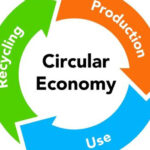
One of the common problems with incorporating ‘circular design’ principles is not only the product design BUT the supply chain solutions REQUIRED to recover your product at its end of life.
In a recent project that we’re working on with a US-based startup company, we discussed & debated how to think about ‘circular design’ and the use of plastic materials. One of the common problems with incorporating ‘circular design’ principles is not only the product design BUT the supply chain solutions REQUIRED to recover your product at its end of life.
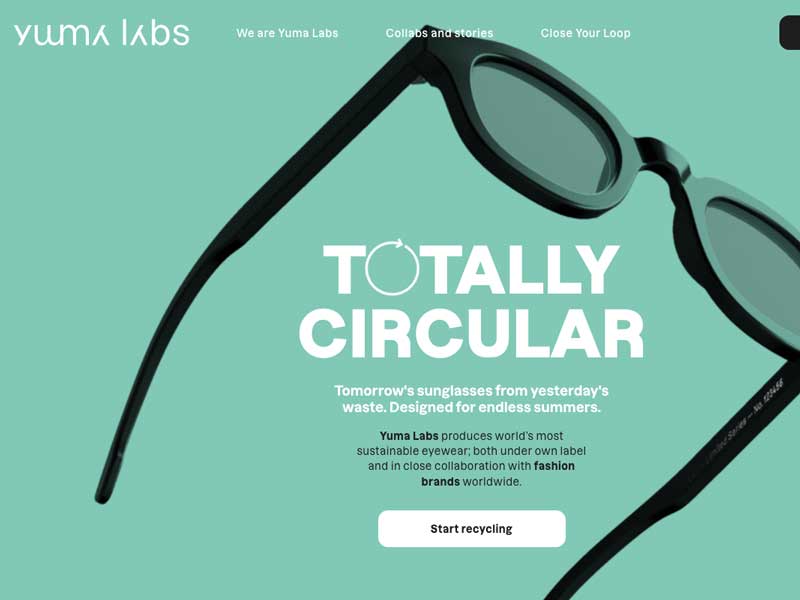
I shared an example I recently became familiar with, how a company is putting this concept into ‘real-life”. Yuma Labs is a sustainable, circular-based eye-wear company. When a customer/consumer is ready to move to the next fashion cycle/upgrade their glasses, they drop them into a simple envelope and use a Yuma Labs provided pre-paid shipping label to return the glasses. This has created a continuous supply of known raw/plastic materials (vs. mixed plastic waste) to their next generation of circular glasses while building stronger customer relationships by keeping in touch during each fashion or product cycle.
While shipping a package back is an environmental impact, it is making sure that the glasses are not thrown away/landfilled at their end of life.
Business considerations
Why aren’t ALL small, HIGH-value consumer products companies taking this same approach, treating their existing products as a ‘raw material’ for their NEXT product? The cost, in this case, was such a small portion of the product being sold.
Consumer considerations
As a consumer, are YOU shopping at companies that follow this similar circular approach?
Let NPI Strategy Group help you think about how to solve this common problem all companies experience when thinking about the end of life of their product or solution.